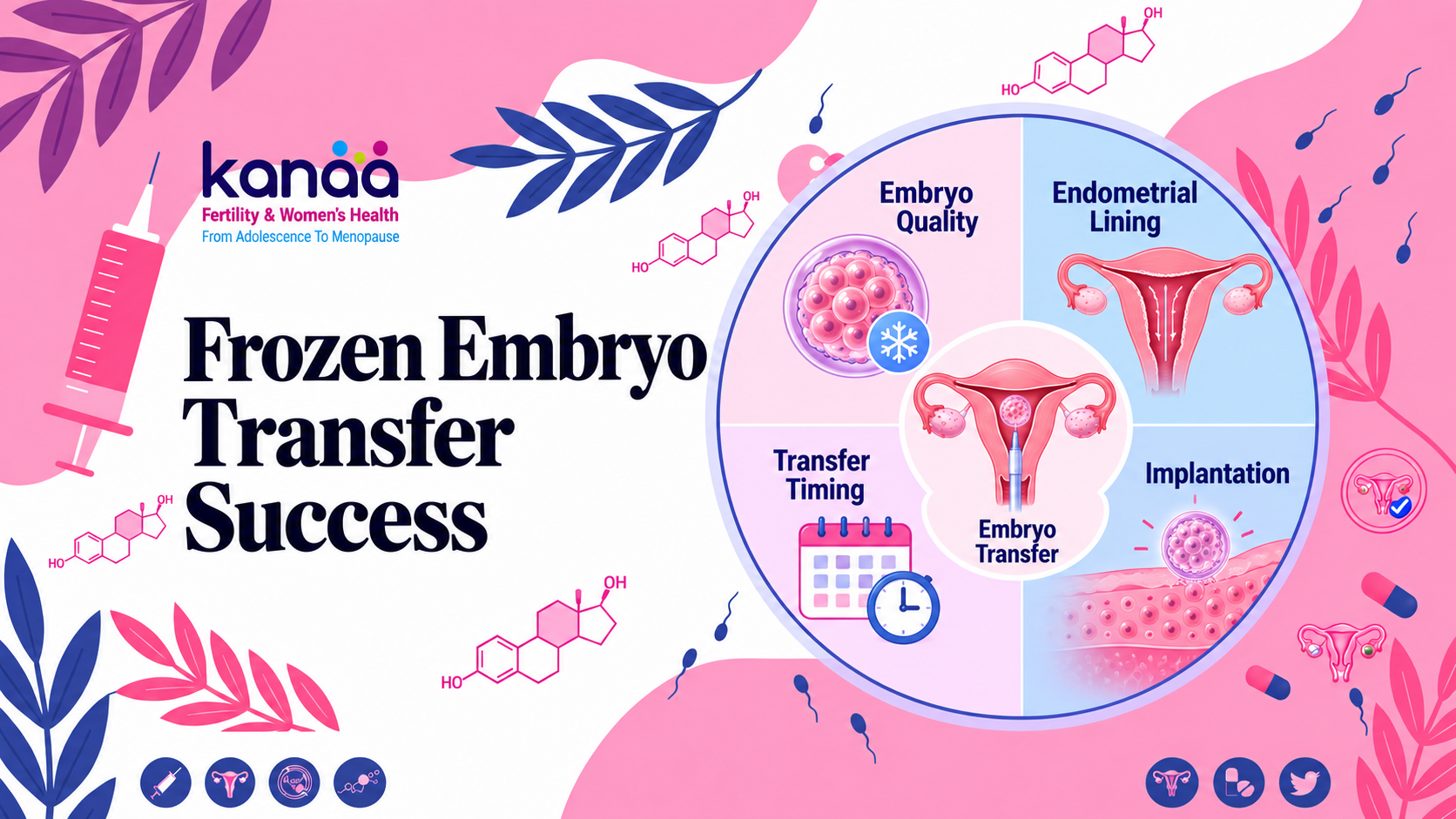
Frozen Embryo Transfer Success: What Improves Implantation Chances?
Quick Answer (AEO / Featured Snippet) Frozen embryo transfer (FET) success depends on embryo quality, uterine lining health, hormone balance, timing of transfer, and overall
Quick Answer (AEO / Featured Snippet) Frozen embryo transfer (FET) success depends on embryo quality, uterine lining health, hormone balance, timing of transfer, and overall
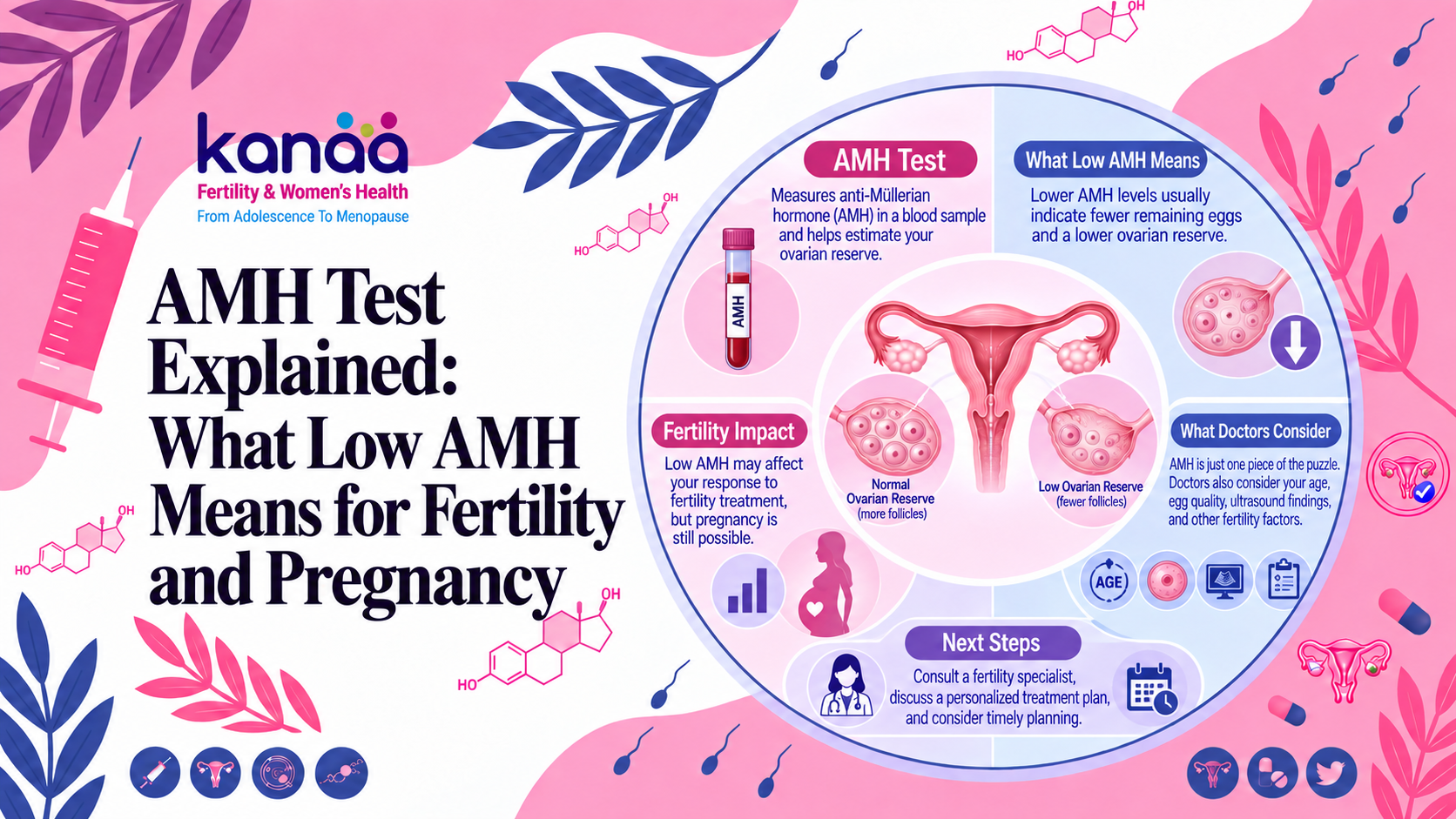
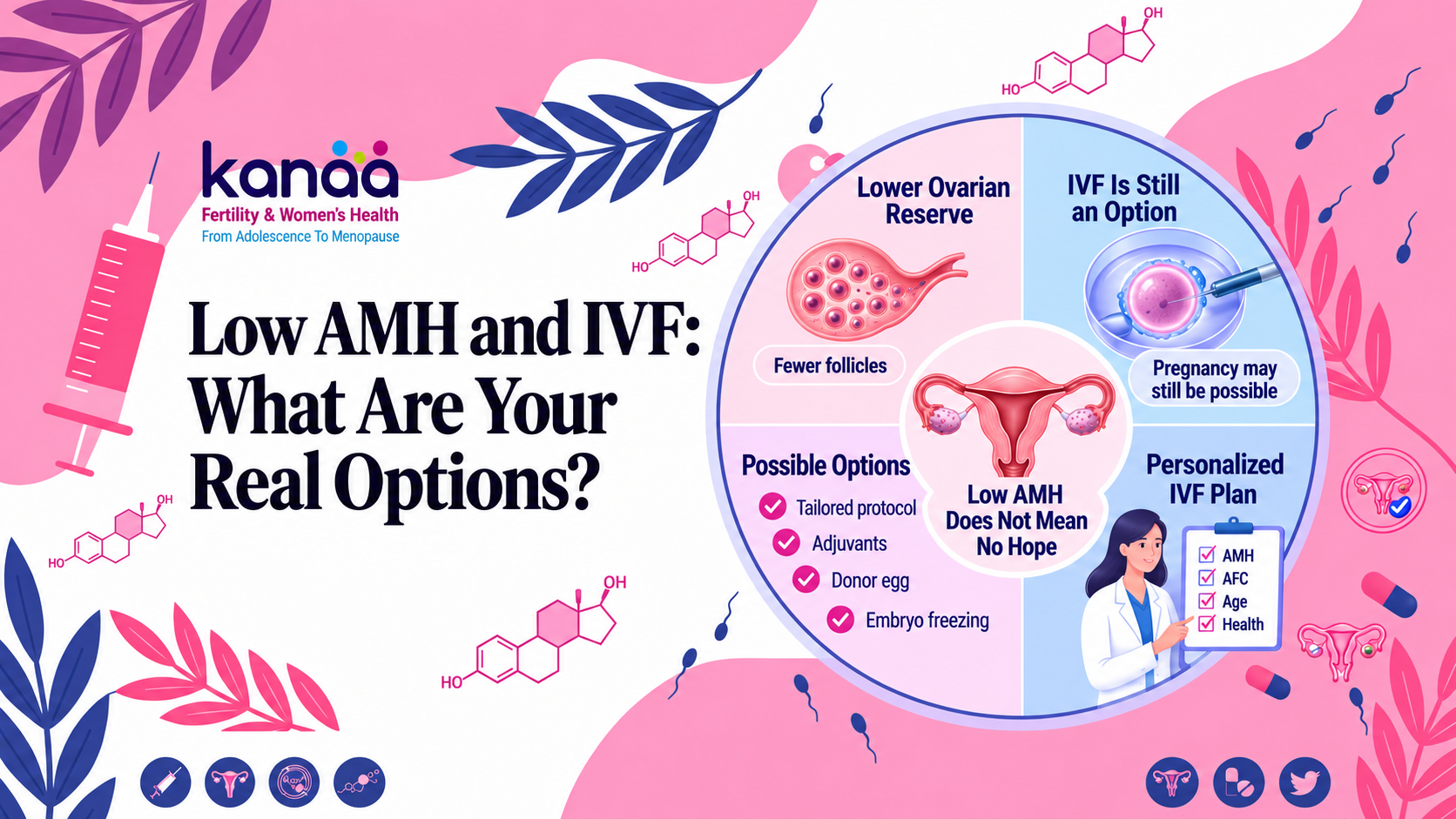
Quick Answer (AEO / Featured Snippet) Low AMH indicates reduced ovarian reserve, but it does not mean pregnancy is impossible. Many women with low AMH

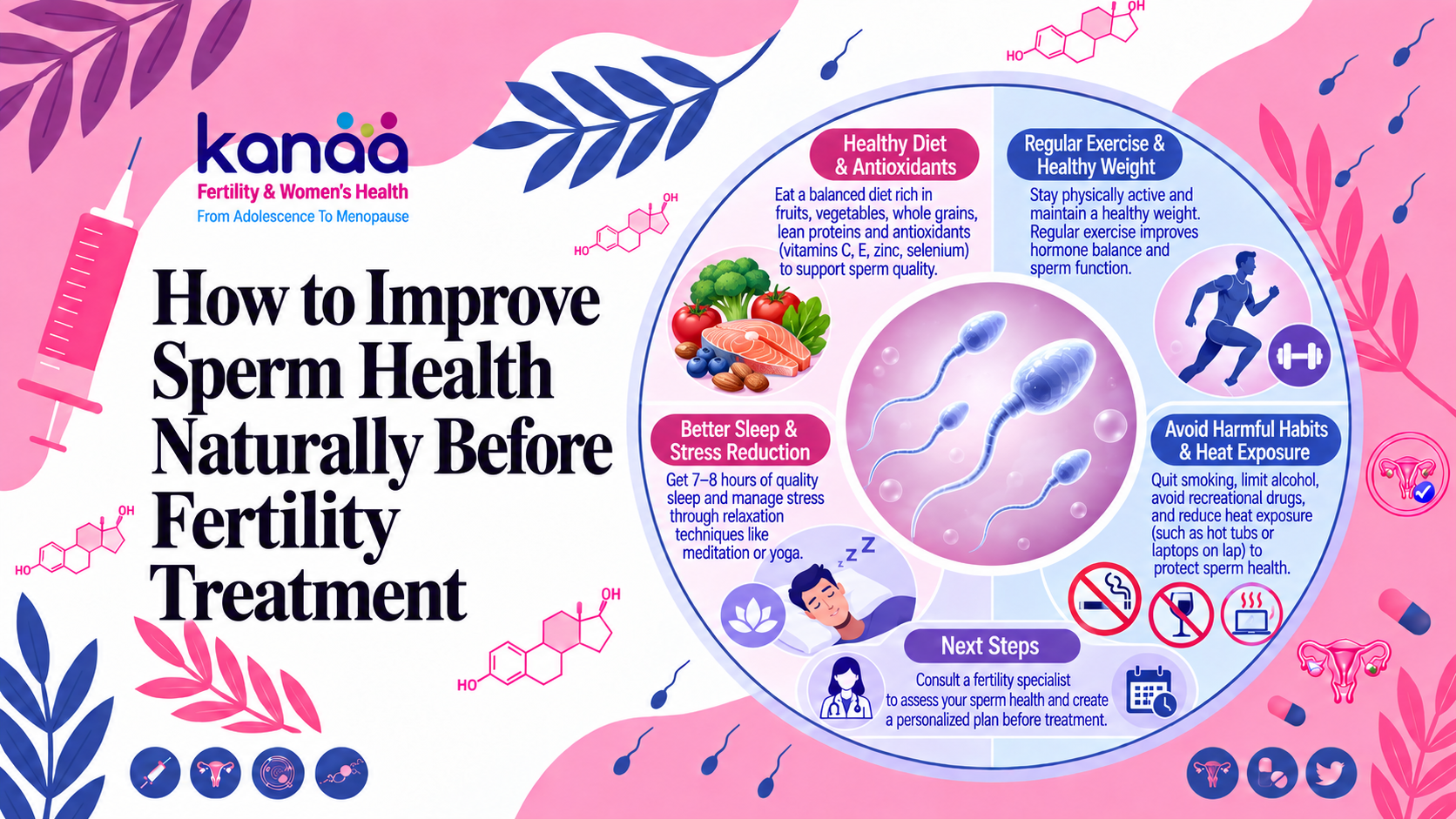
Quick Answer (AEO / Featured Snippet) Sperm health can be improved naturally by adopting a healthy lifestyle maintaining a healthy weight, eating a nutrient-rich diet,

Quick Answer (AEO / Featured Snippet) The AMH test is a blood test that measures Anti-Müllerian Hormone (AMH), which helps estimate ovarian reserve (the number

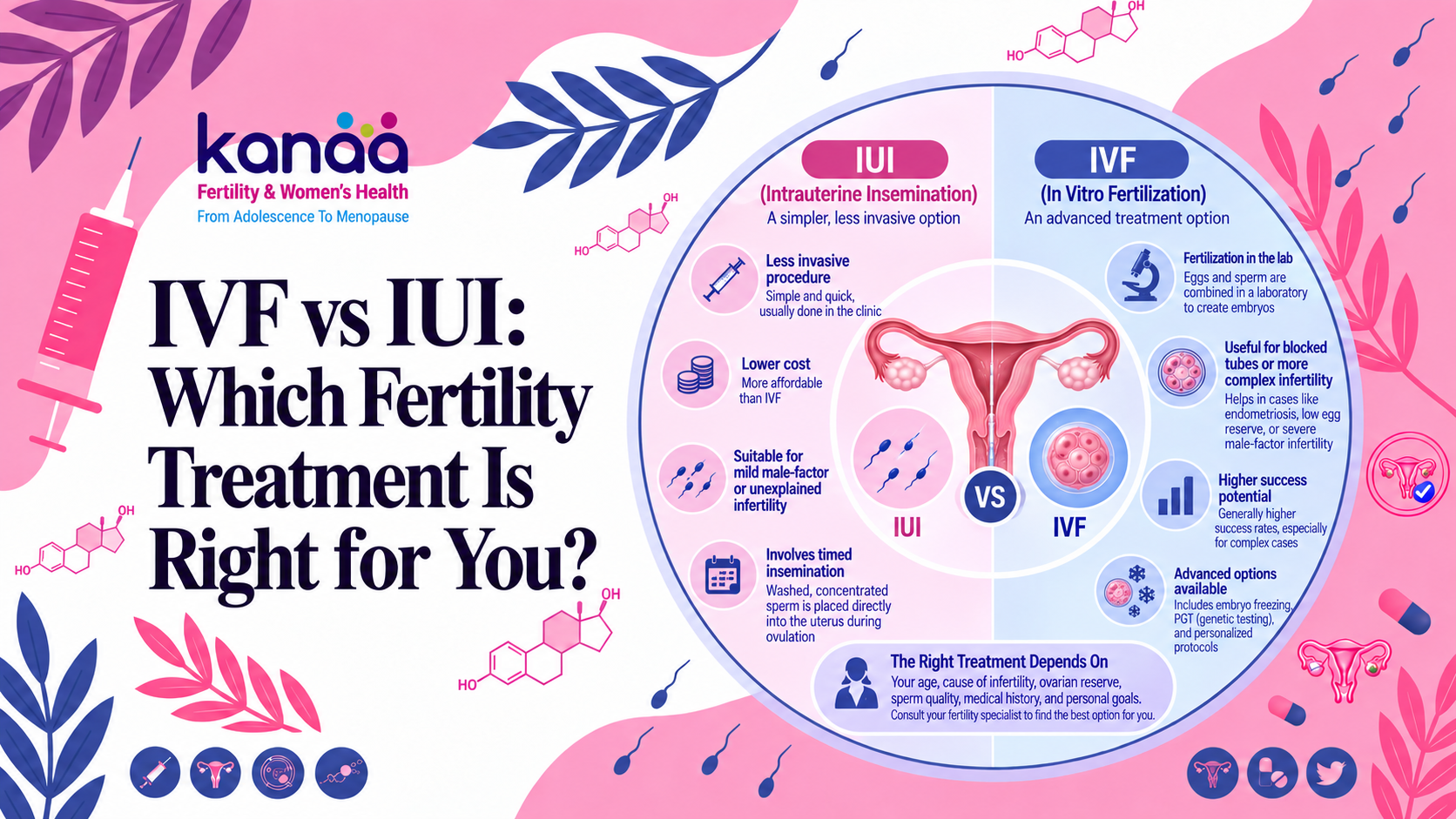
Quick Answer (AEO / Featured Snippet) IUI is a simpler fertility treatment where prepared sperm is placed directly into the uterus during ovulation, while IVF

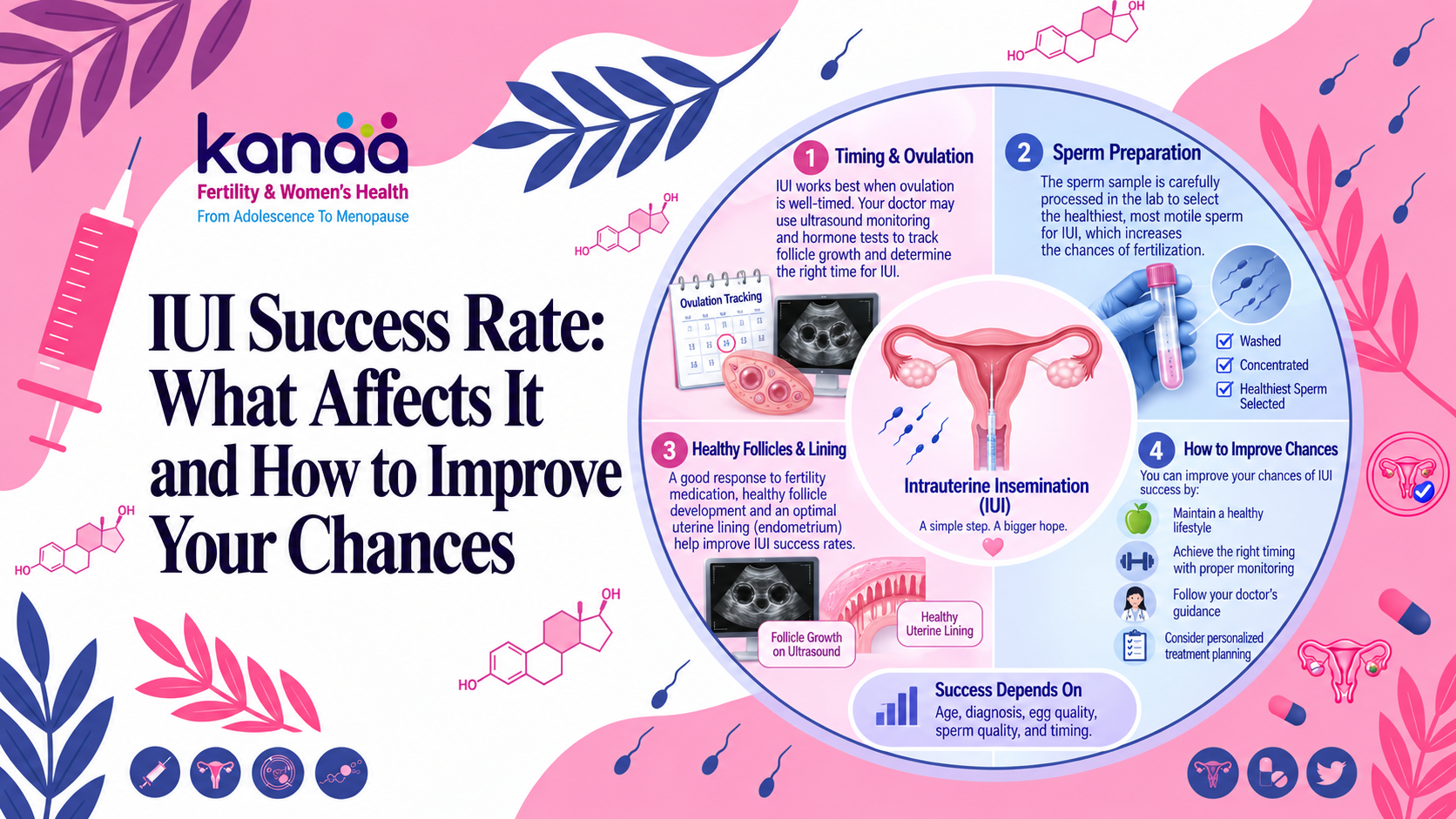
Quick Answer (AEO / Featured Snippet) IUI success rates vary based on age, fertility diagnosis, sperm quality, ovulation timing, and whether ovulation induction is used.

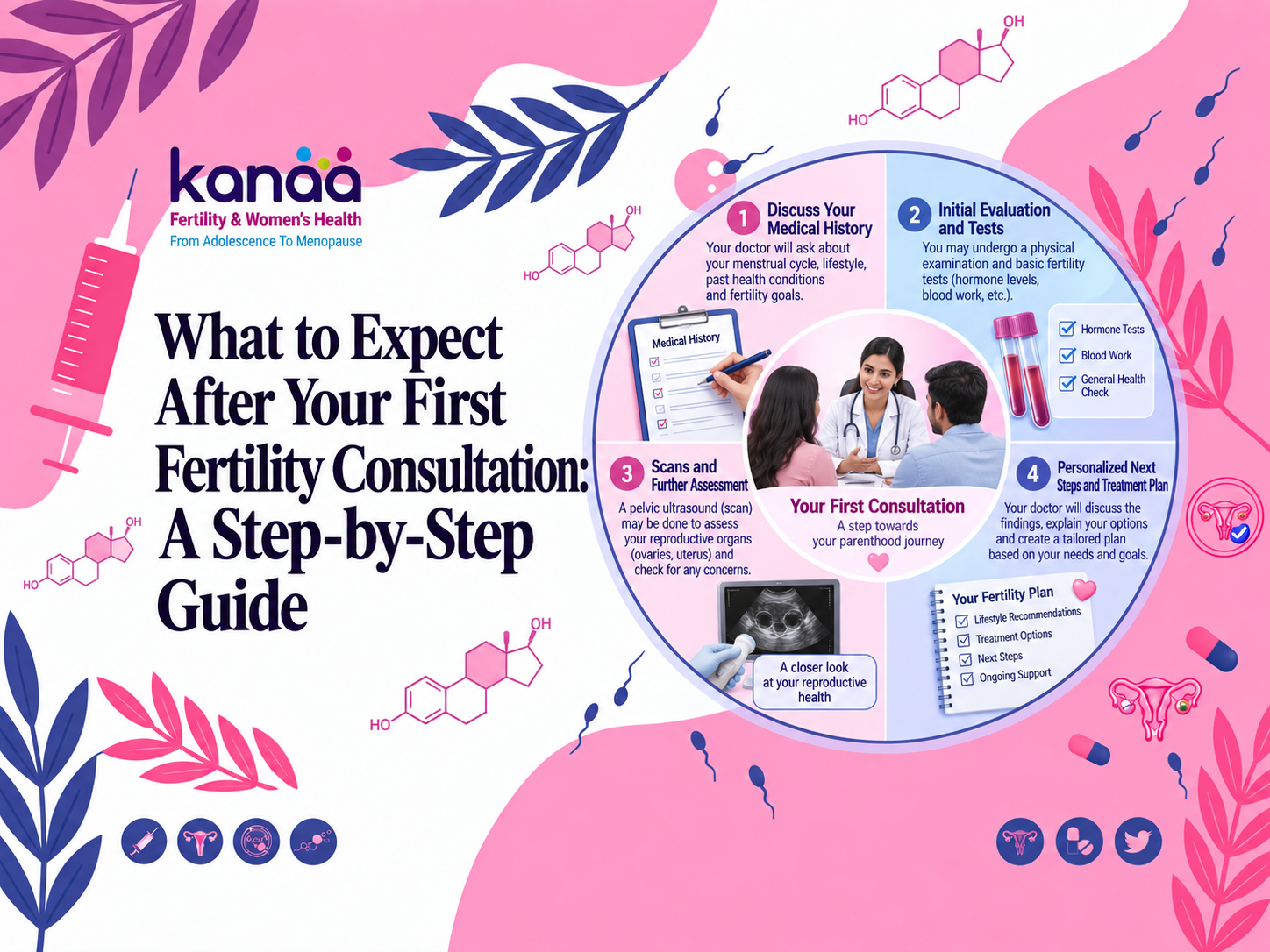
Quick Answer (AEO / Featured Snippet) After your first fertility consultation, your doctor will review your medical history, recommend fertility tests for both partners, and

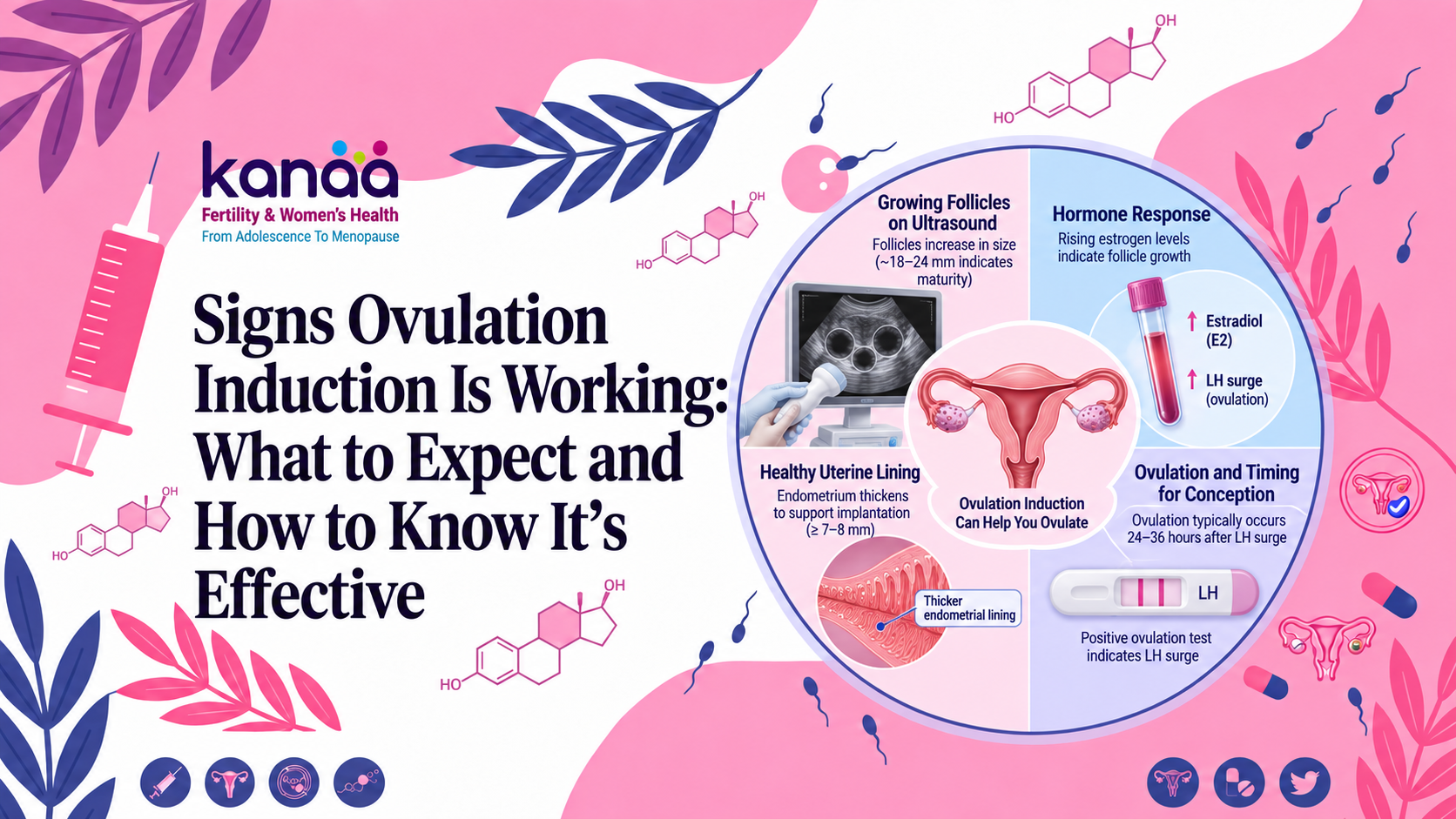
Quick Answer (AEO / Featured Snippet) Signs that ovulation induction is working include the growth of a mature follicle on ultrasound, hormonal changes in blood

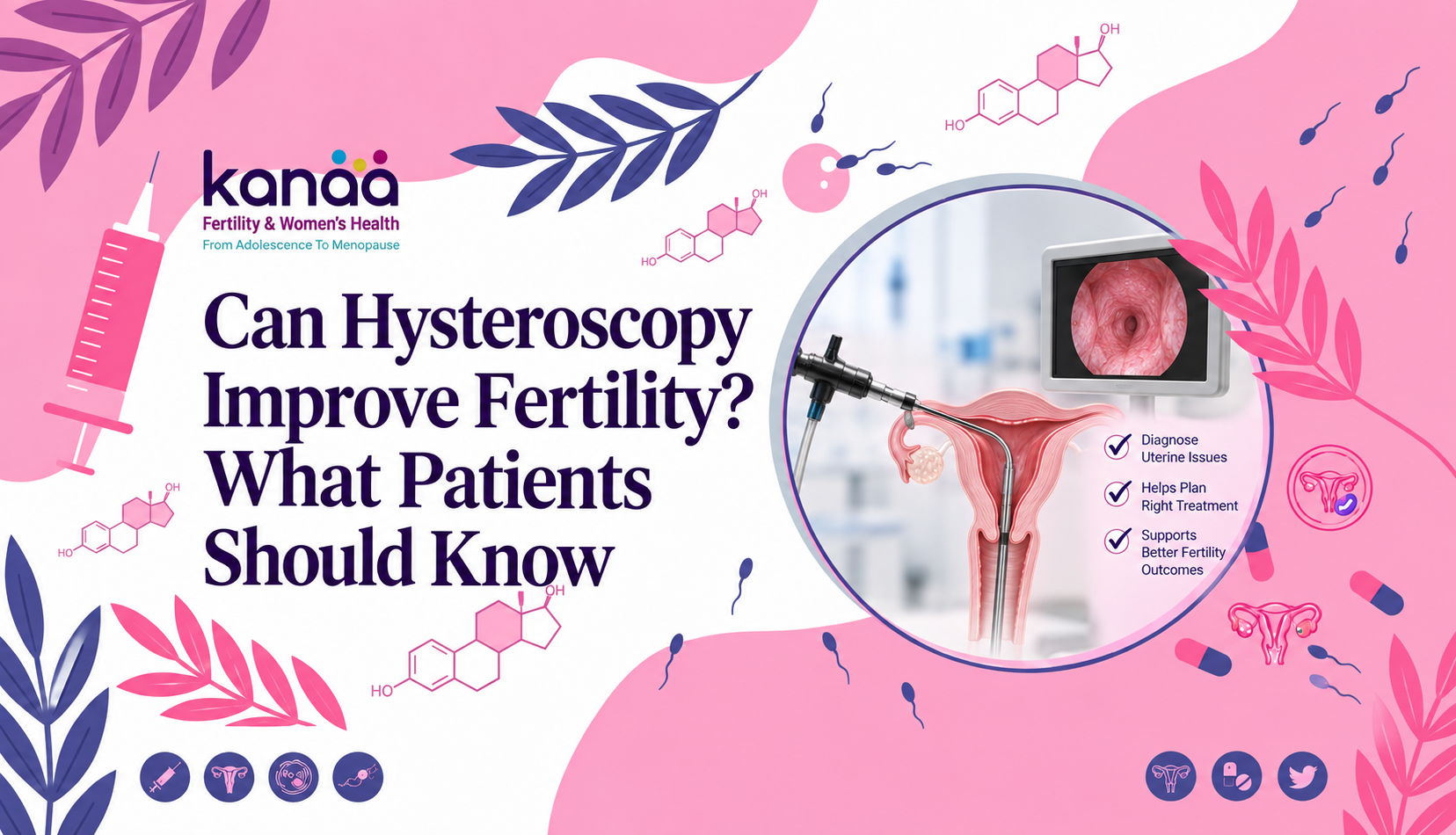
Quick Answer (AEO / Featured Snippet) Hysteroscopy can improve fertility in certain cases by diagnosing and treating abnormalities inside the uterus. The procedure allows doctors

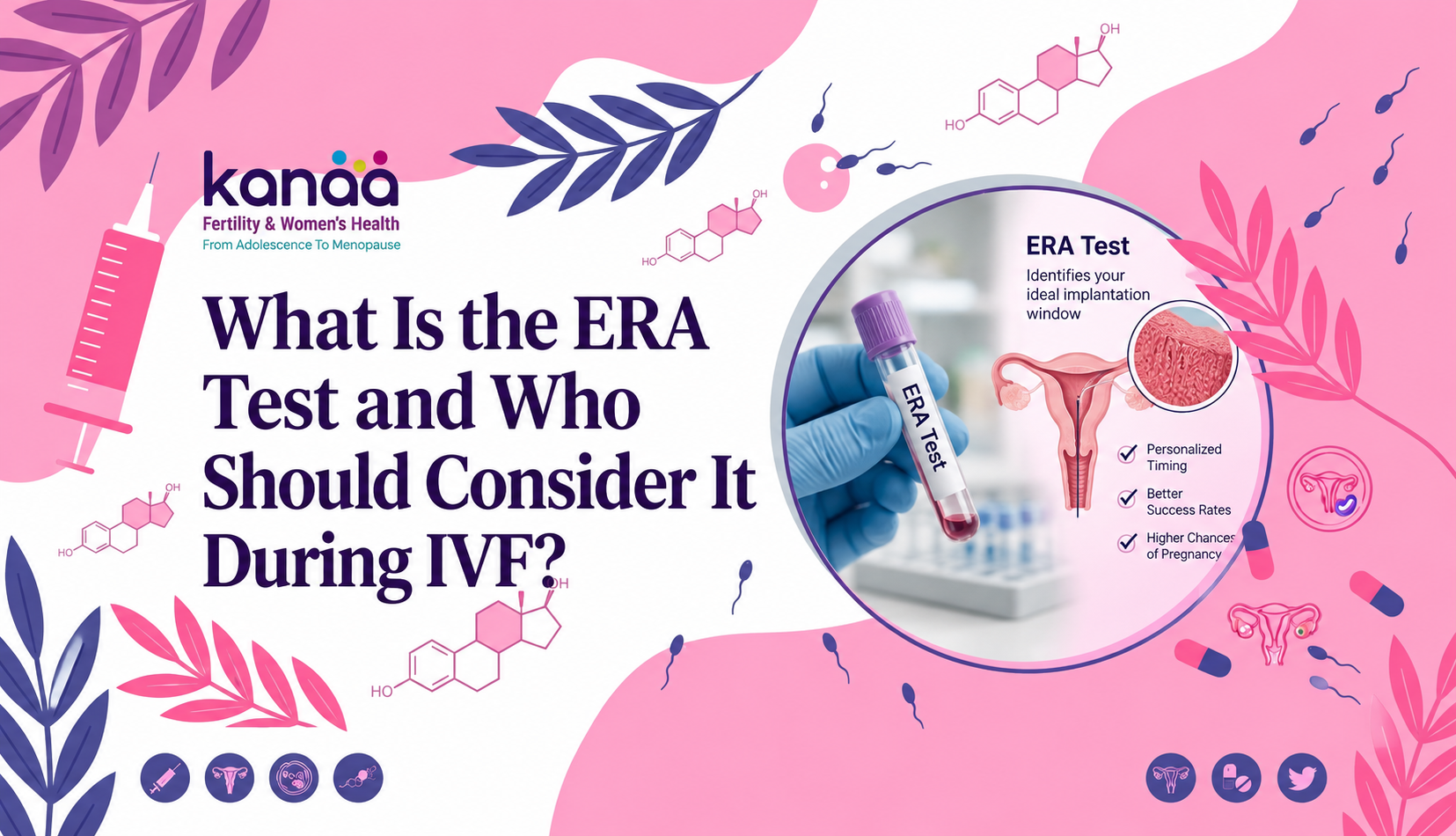
Quick Answer (AEO / Featured Snippet) The ERA test (Endometrial Receptivity Analysis) is a diagnostic test used to determine the best timing for embryo transfer