Female Fertility
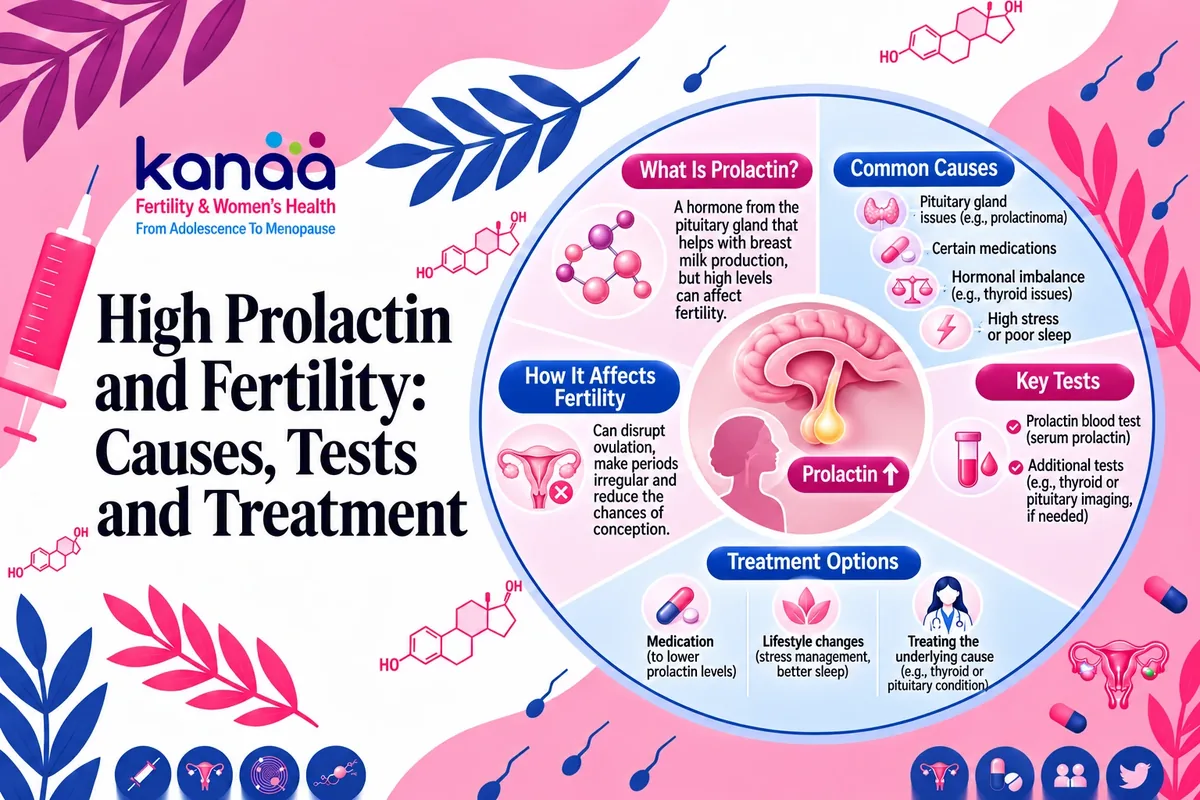
High Prolactin and Fertility: Causes, Tests and Treatment
Written by: Kanaa Fertility editorial team High prolactin, called hyperprolactinaemia, is a raised level of the hormone prolactin in the blood. It can disturb ovulation

Written by: Kanaa Fertility editorial team High prolactin, called hyperprolactinaemia, is a raised level of the hormone prolactin in the blood. It can disturb ovulation
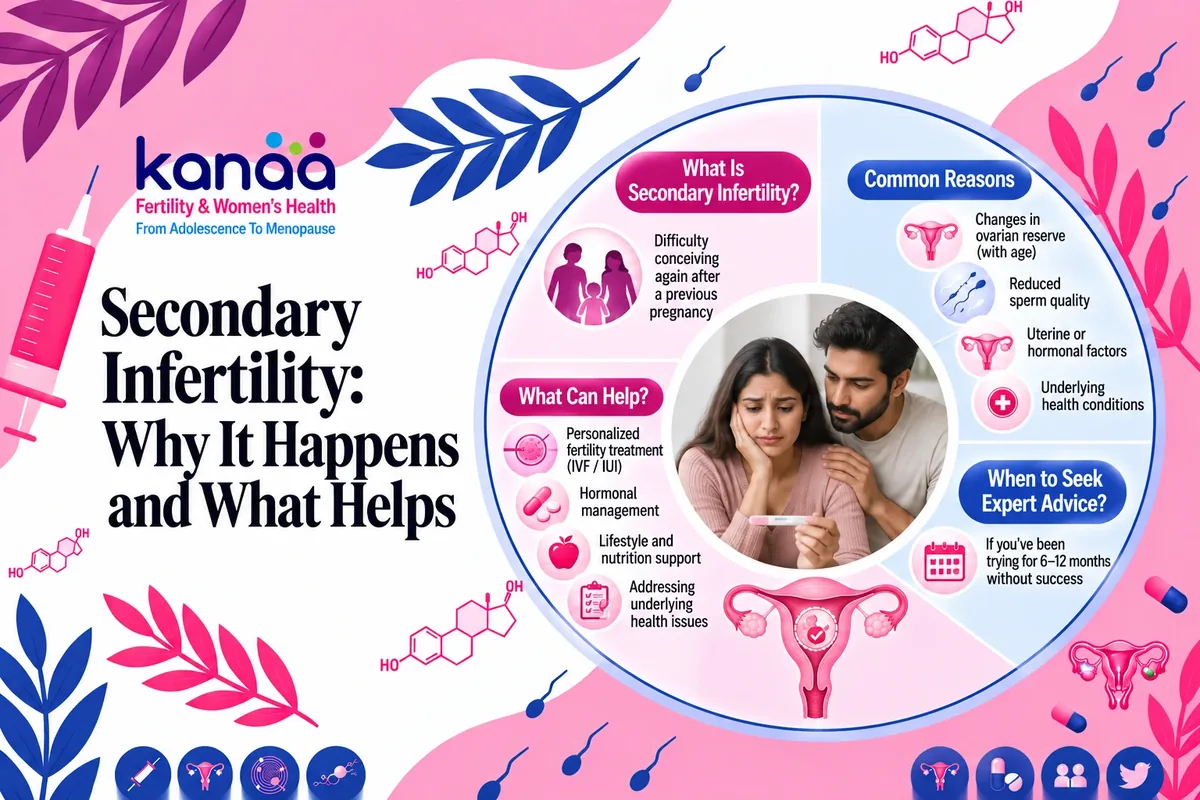
Written by: Kanaa Fertility editorial team Secondary infertility means difficulty getting pregnant again after a previous pregnancy, even when the first pregnancy happened easily. Common
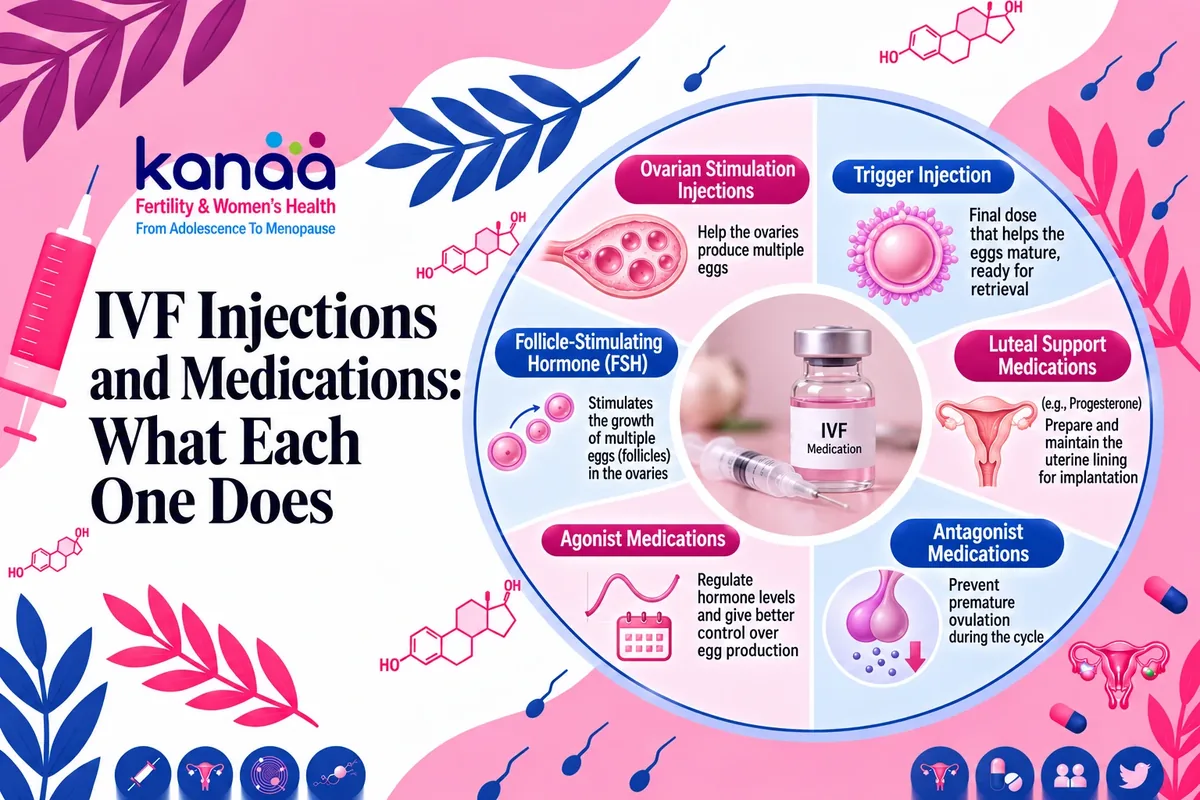
Written by: Kanaa Fertility editorial team IVF uses a sequence of medicines with different jobs: stimulation injections help several eggs grow, a second medicine stops
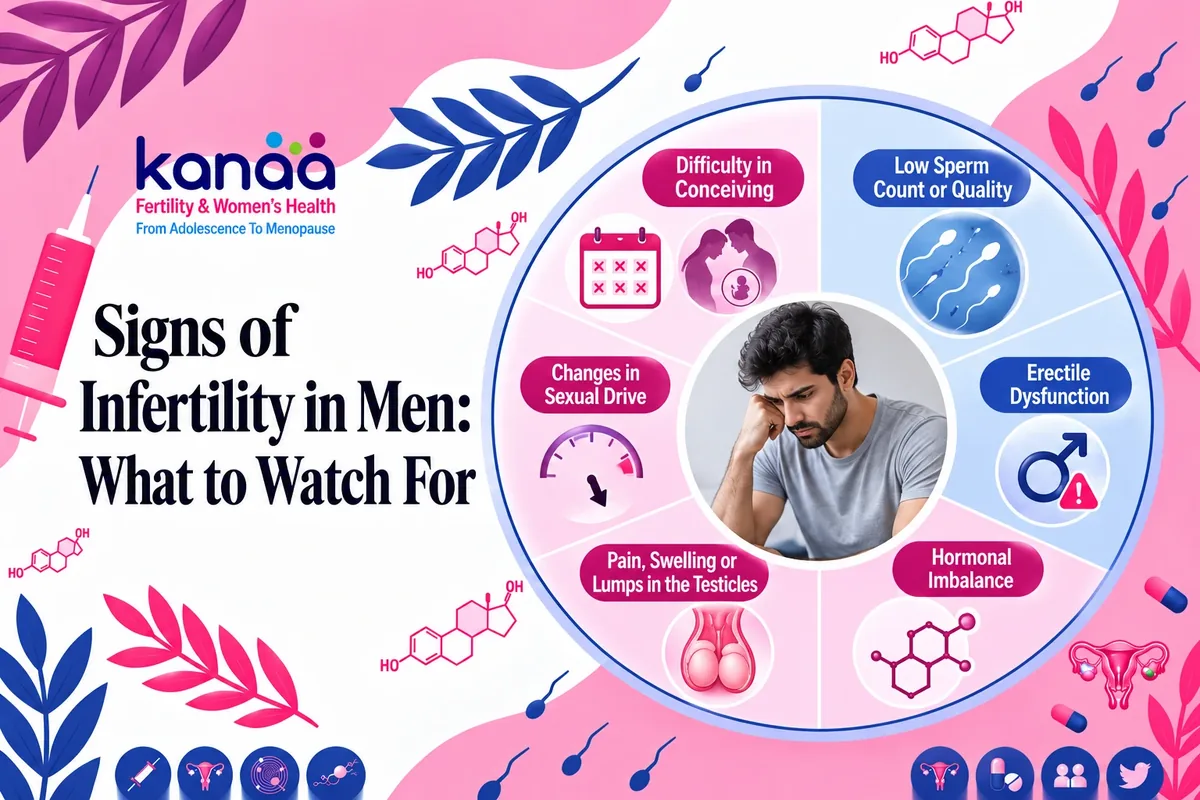
Written by: Kanaa Fertility editorial team Most men with fertility problems have no obvious symptoms, and the first sign is often that a partner has
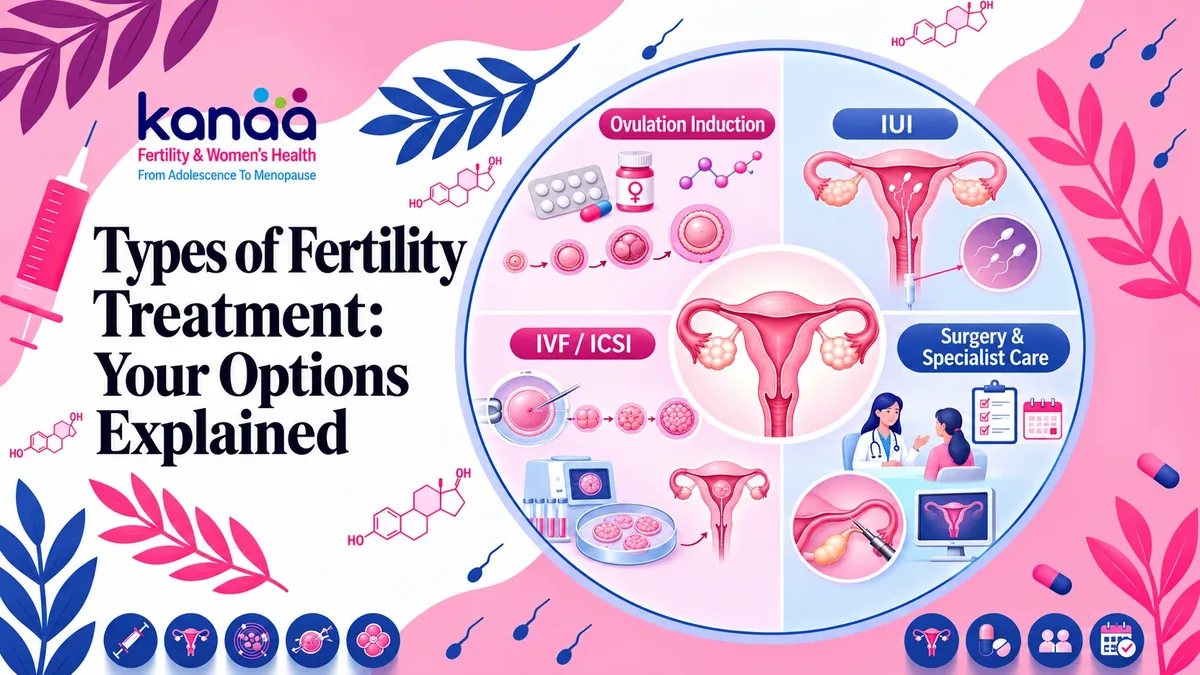
Written by: Kanaa Fertility editorial team There are several types of fertility treatment, and most couples do not need the most complex one. The main
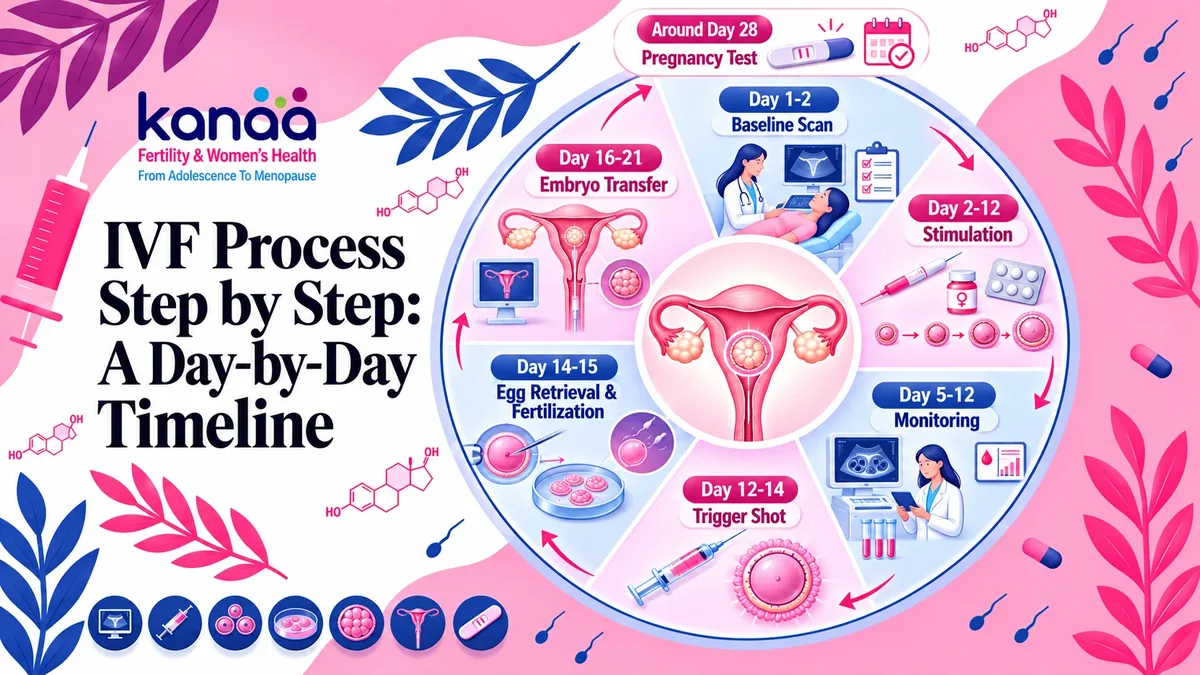
Written by: Kanaa Fertility editorial team An IVF cycle usually takes about four to six weeks from the first stimulation injection to the pregnancy test,
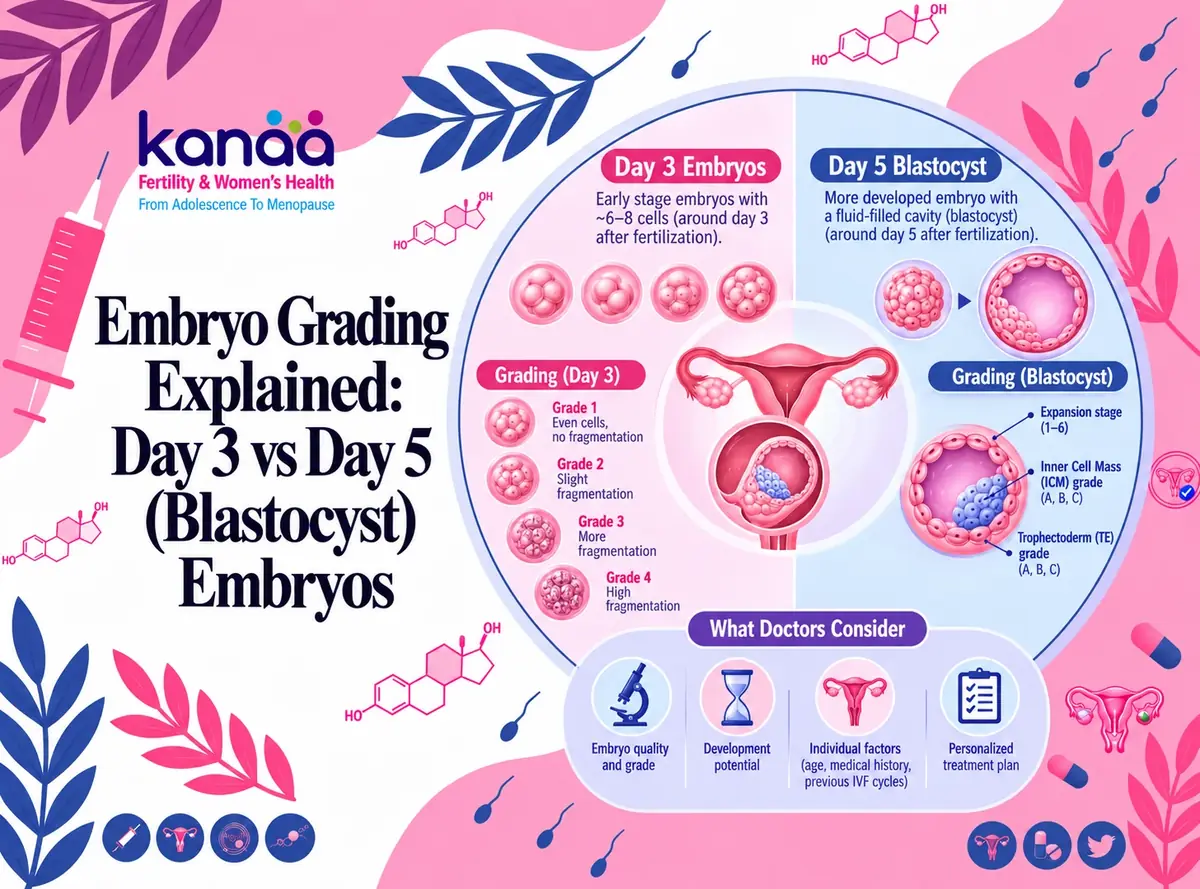
What do embryo grades mean? Learn how day 3 and day 5 blastocyst embryos are graded, what grades can and cannot tell you, and how transfer day is chosen.
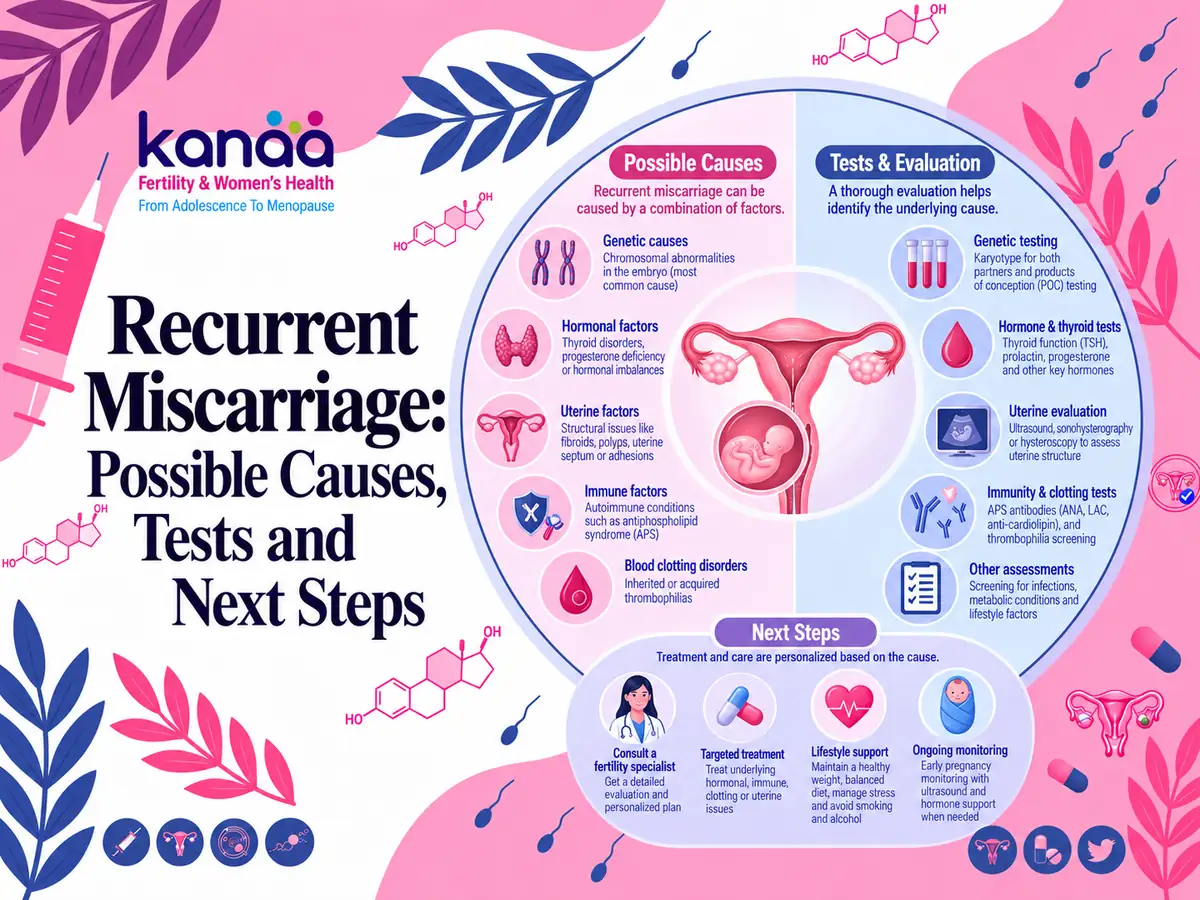
Had more than one miscarriage? Learn what recurrent miscarriage means, possible causes, the tests doctors may suggest for both partners, and the next steps.
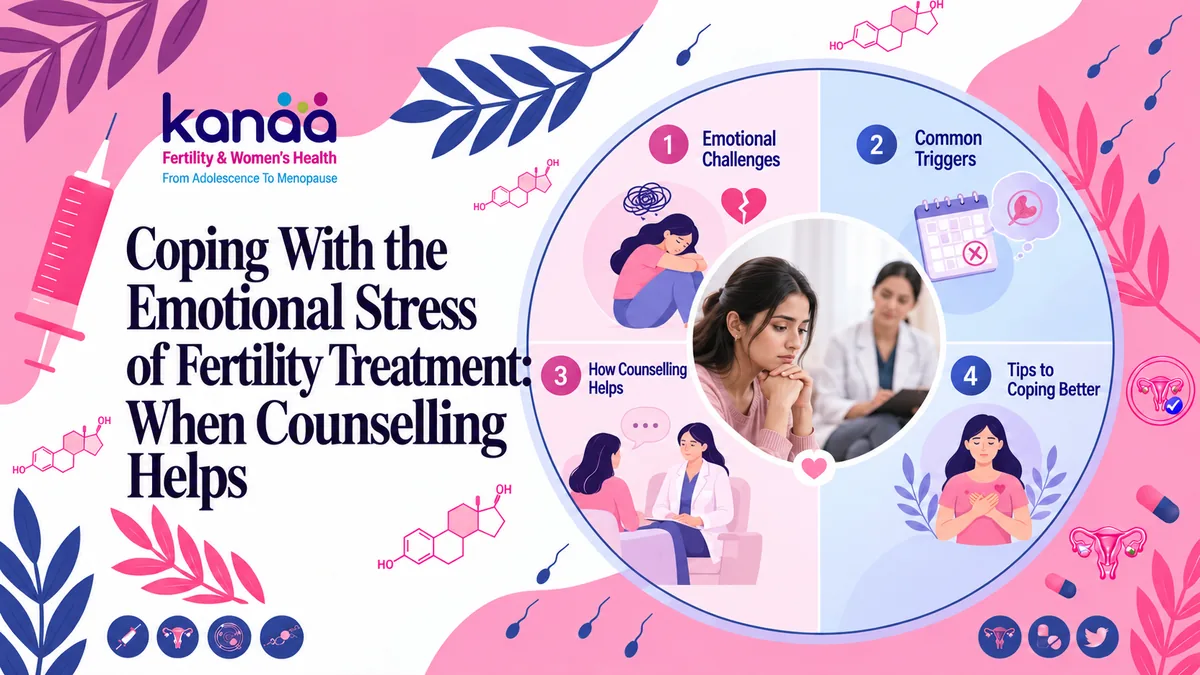
Fertility treatment can be emotionally hard. Learn common feelings at each stage, how fertility counselling helps, and practical ways couples can cope.
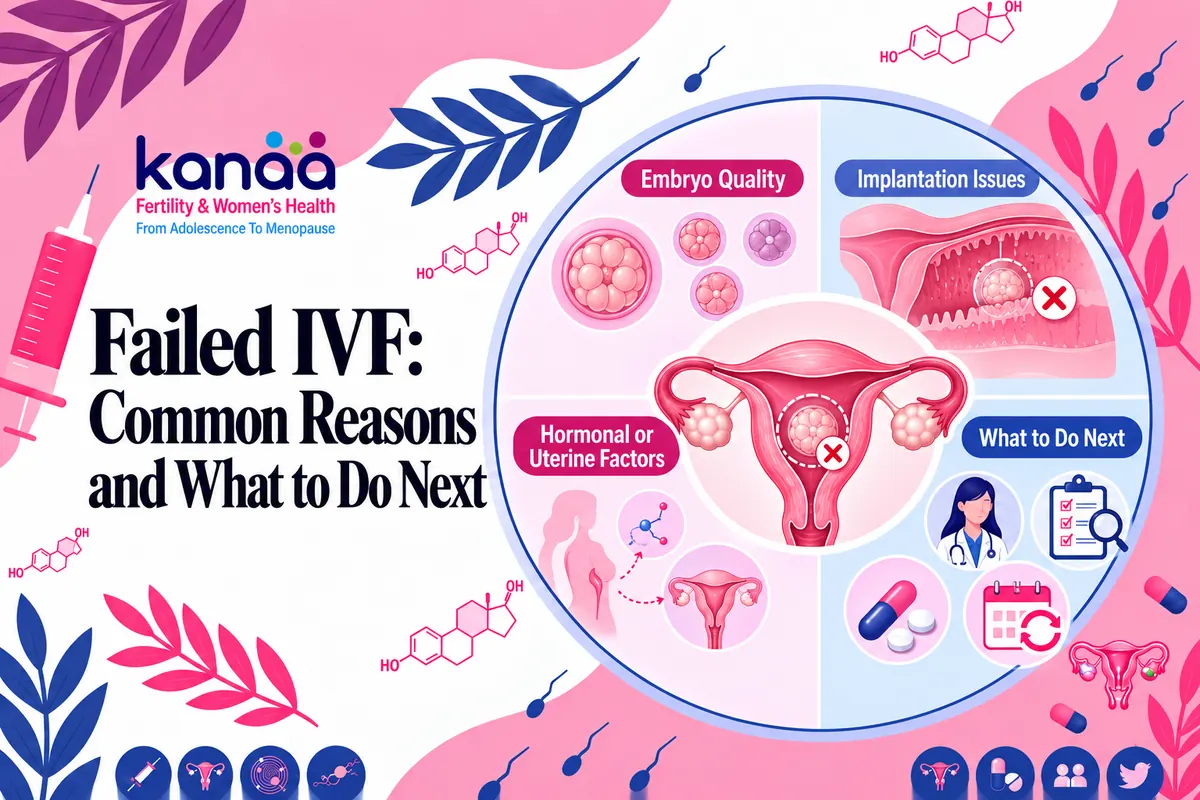
An unsuccessful IVF cycle is hard. Learn the common reasons IVF may not work, the tests doctors may suggest, and the options to discuss before trying again.